MENDI 1950
The people of the Southern Highlands were surprised when they first discovered that there were other kinds of humans in the world. They knew their own clans, and other clans who were their enemies, as well as news of distant communities who were trading partners. The first time they saw a small plane fly overhead in about 1950, they were amazed and frightened. Some of the leaders were curious.
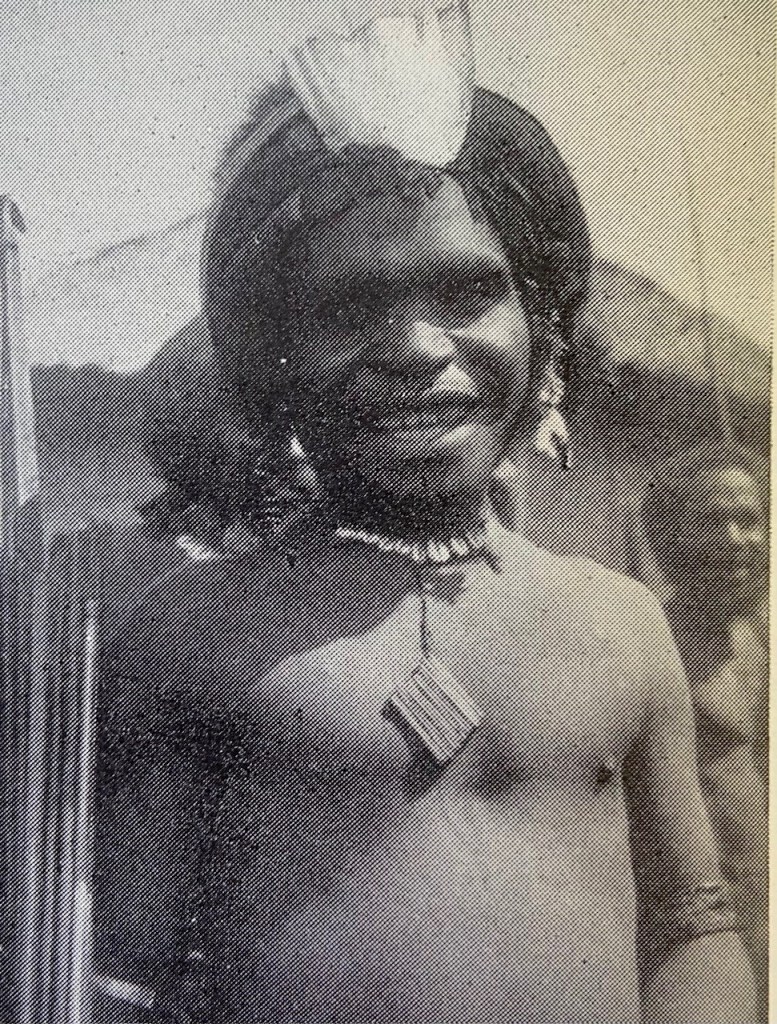
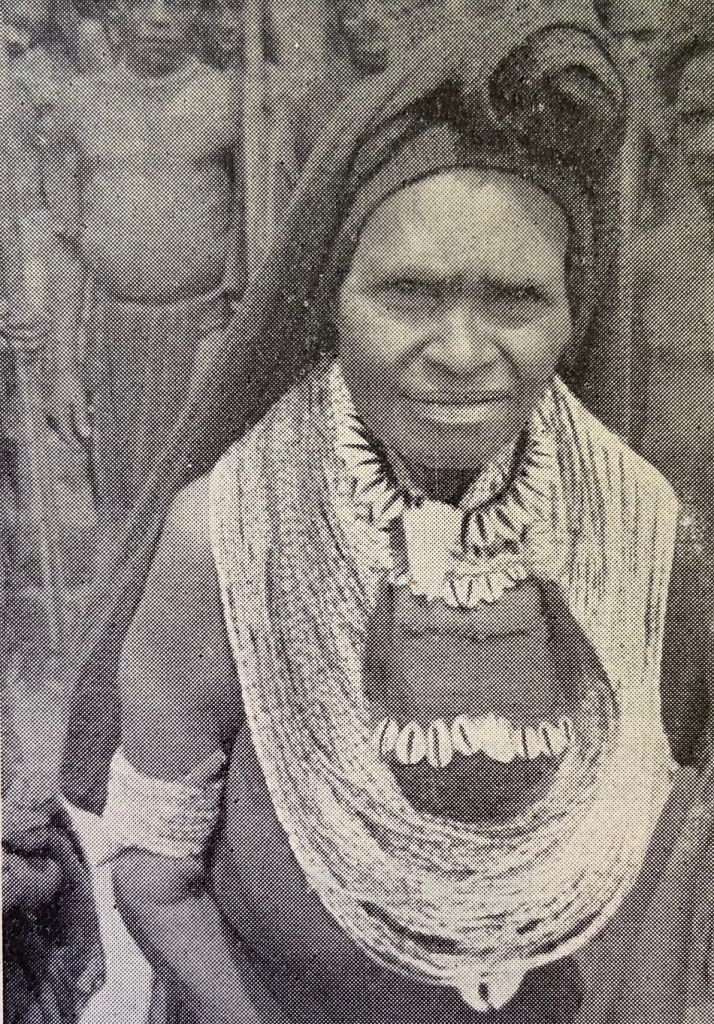
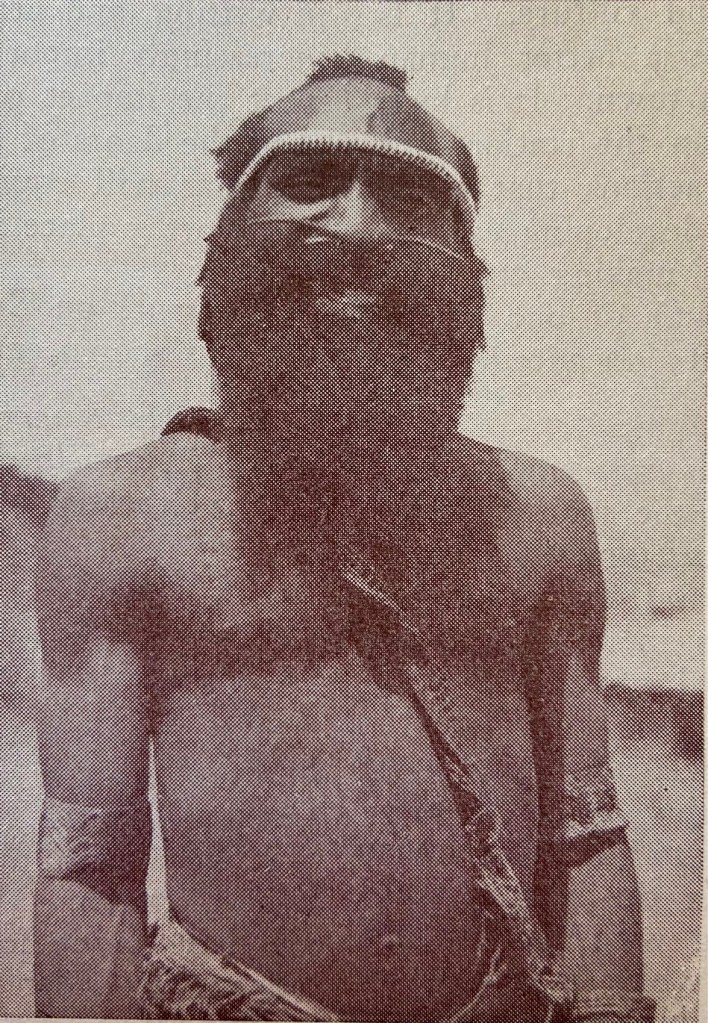
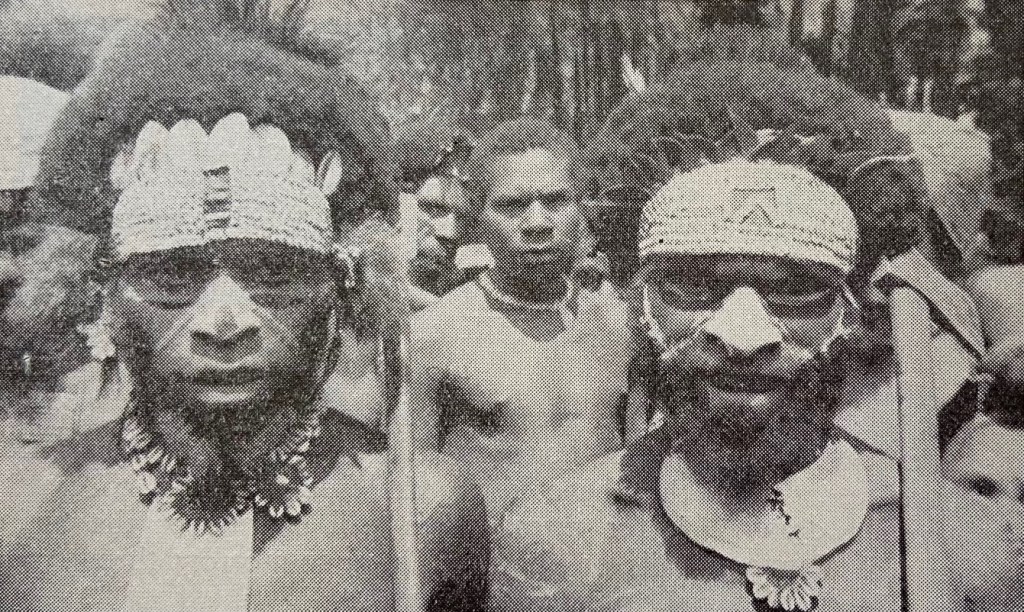
One day some of the leaders met two strangers on the track in part of the Mendi Valley. The women and children ran away to hide. They were afraid of these very different humans, with pale skin, light straight hair and an unpleasant smell. Some leading men, such as Urum Tiba of Unjamap, went to look at these travellers as they passed through their land. They did not know that these men were Australian patrol officers and that soon their world would change.
The people of the Highlands may have been isolated from the rest of the world for centuries but they were already a complete functional society. They were independent, strong minded, tribal, male-dominated, colourful, pugnacious. They were an agricultural society with traditions of connection to land, mountains and rivers. They were skilled at building, with strong houses suitable for a cool climate, and had developed the technology to build larger buildings connected to their understanding of the spirit world. Instead of living in village communities, they lived in family hamlets in their own garden grounds. A man’s house was separate from that shared by his wives, children and their valuable pigs.


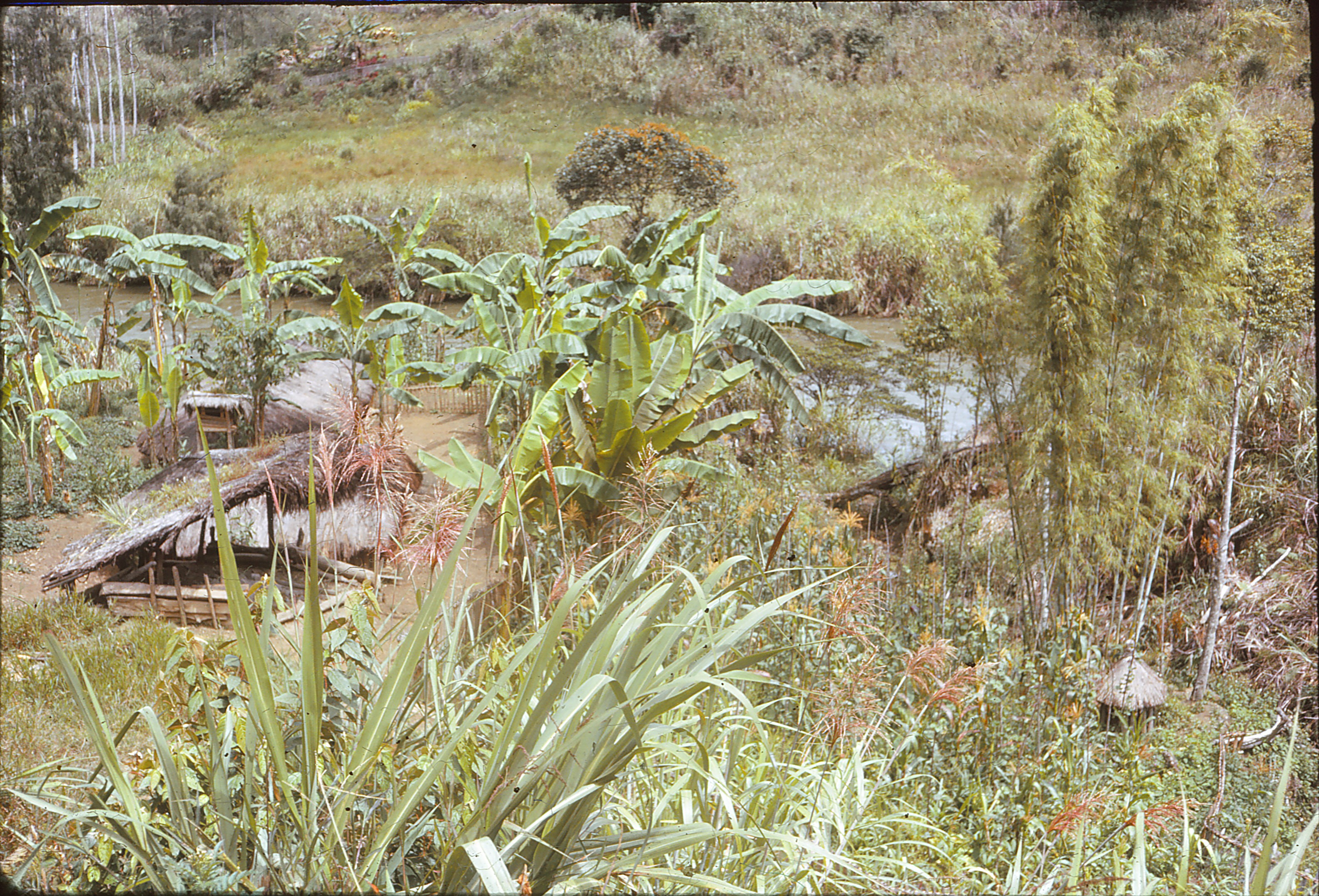

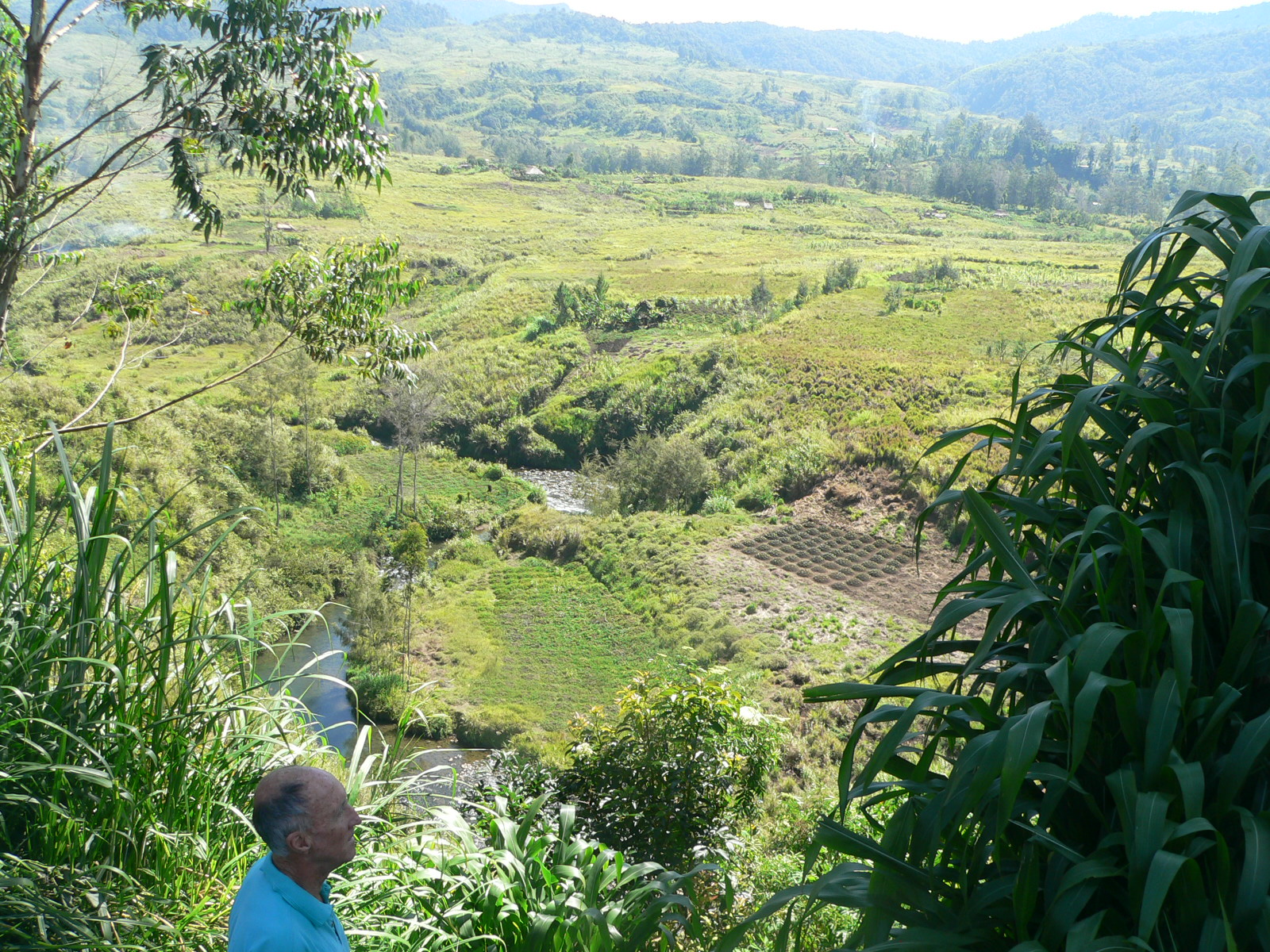
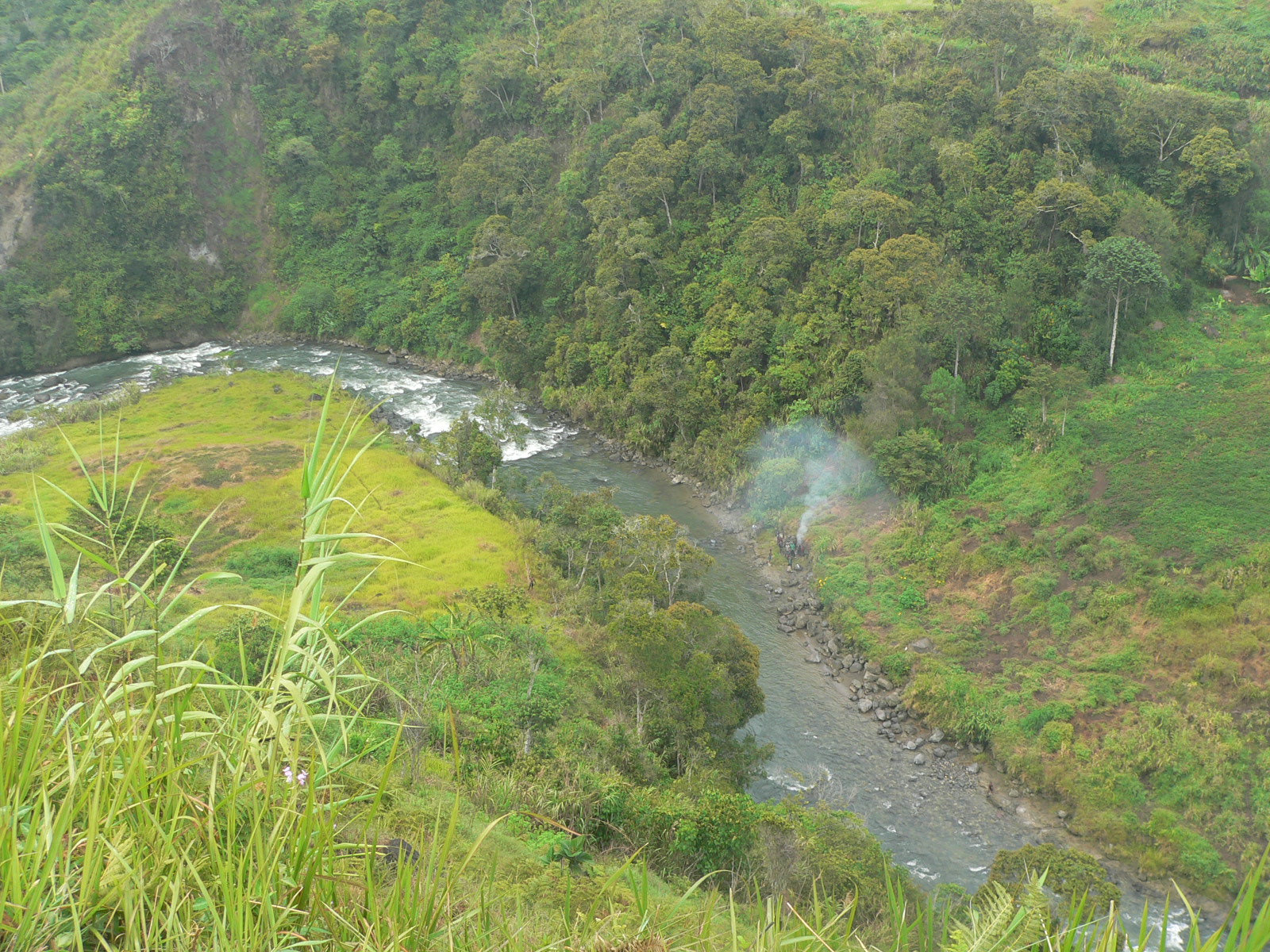
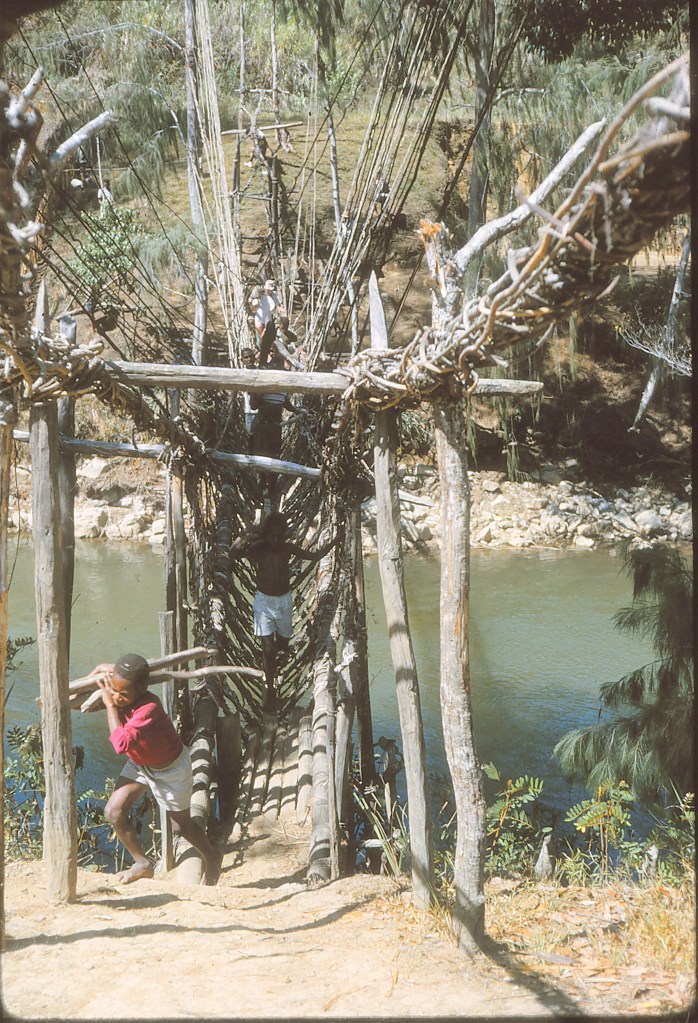
In the steep mountains, walking tracks were the best way for travel and people were strong and mostly healthy. They walked long distances and the women carried heavy loads. When mountain rivers were too wide to wade across, they had the skills to build strong suspension bridges of timber and vines. Men and women were skilled at crafts of spinning and weaving, making their own clothes from natural fibres and plant material, and their own tools and weapons. Their language was complex, sophisticated and elegant. They had a traditional system for economic exchange with neighbouring tribal groups.
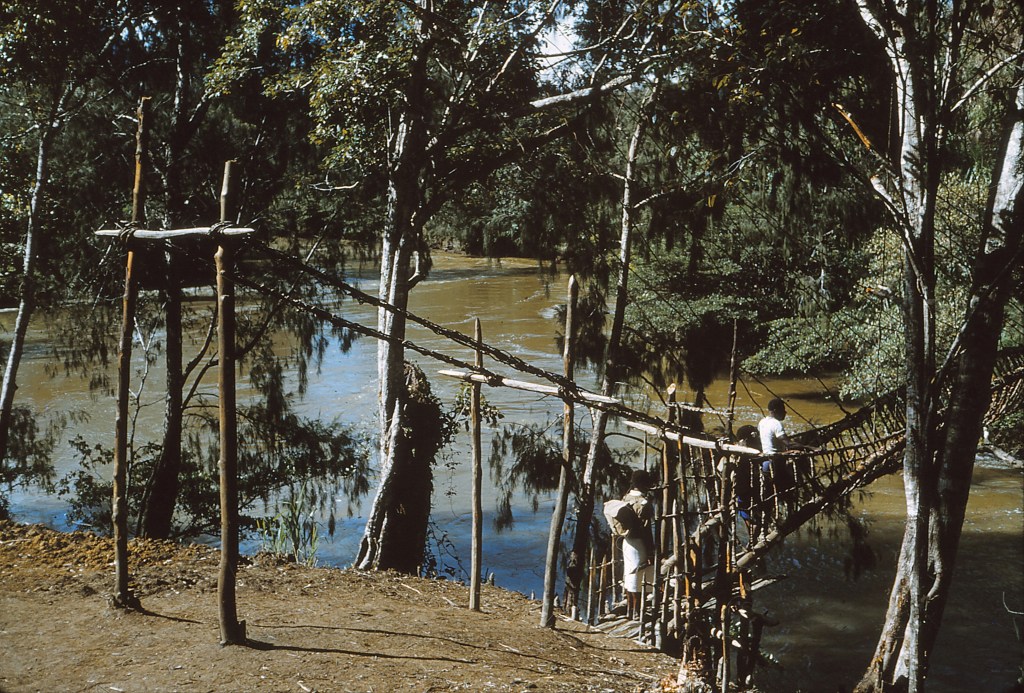
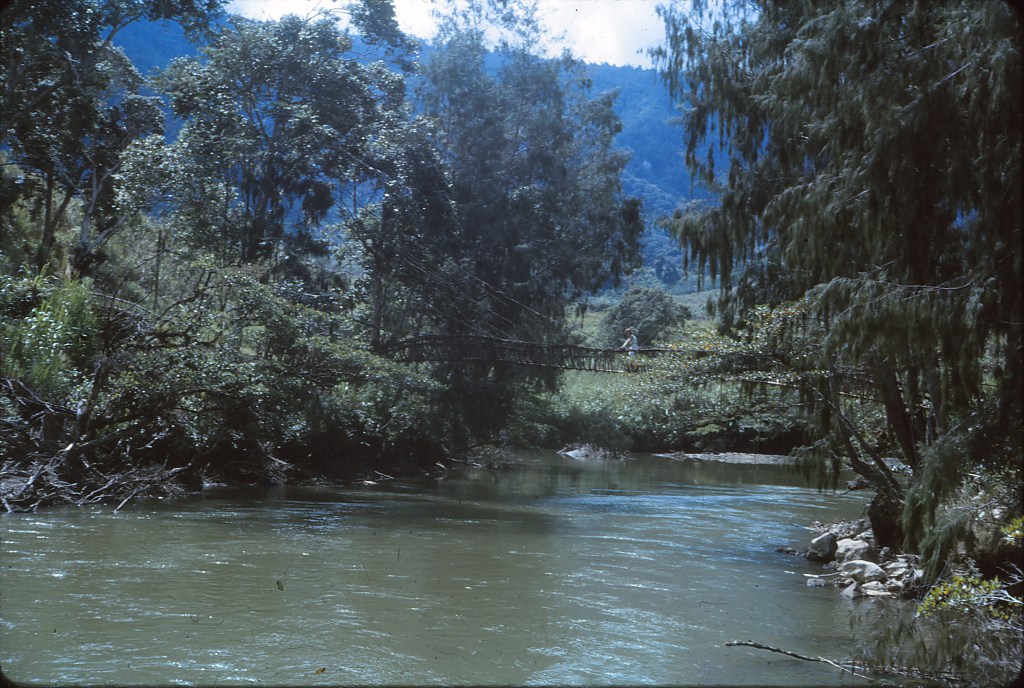
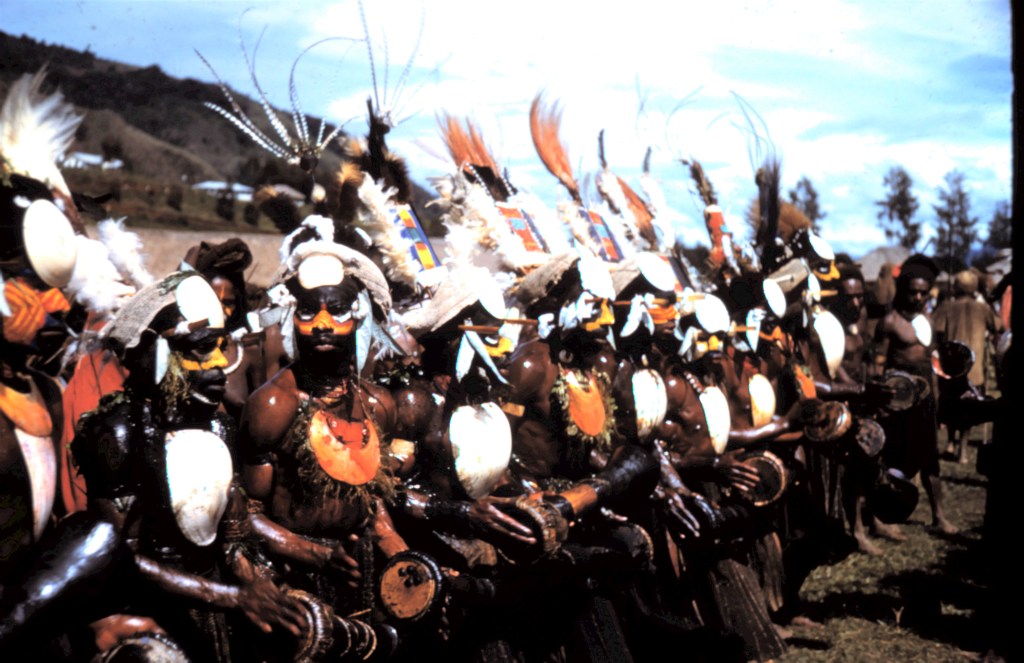
When they met for ceremonies, economic displays of wealth and sing-sings, they had strong traditions of dance, body decoration, song and oratory. Each clan had one or more ceremonial grounds, an attractive open area surrounded by casuarinas and hedges of flowering plants, always well maintained like a small park. At one end of the ceremonial ground was usually a communal men’s house behind a strong palisade, with sleeping cubicles at the back beyond the communal space with a cooking fire where men from a clan could meet to talk, eat and sleep.
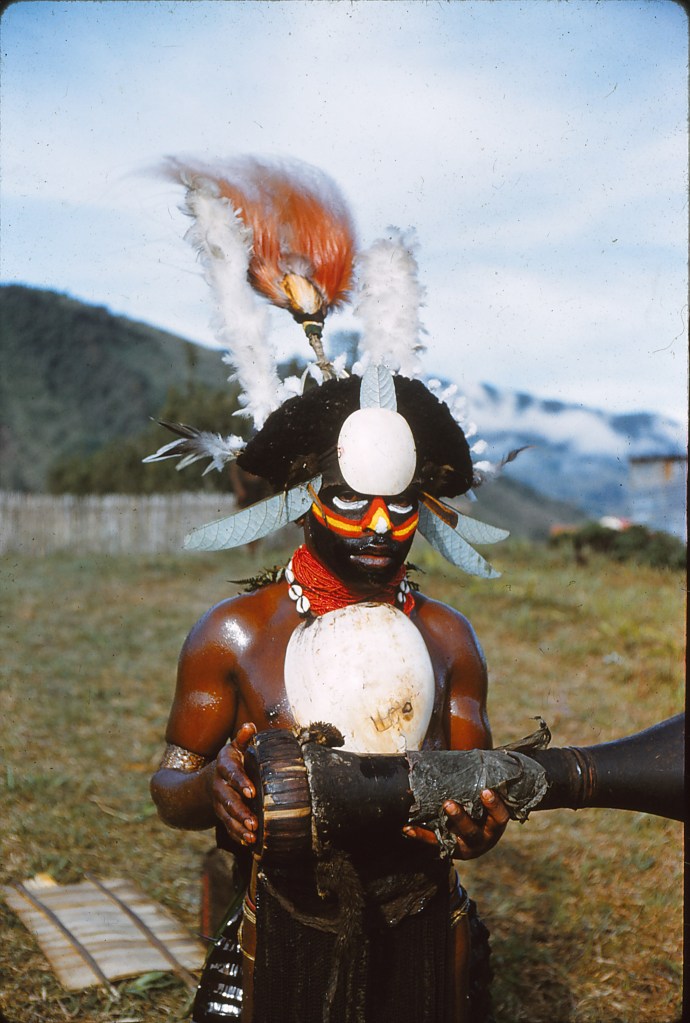


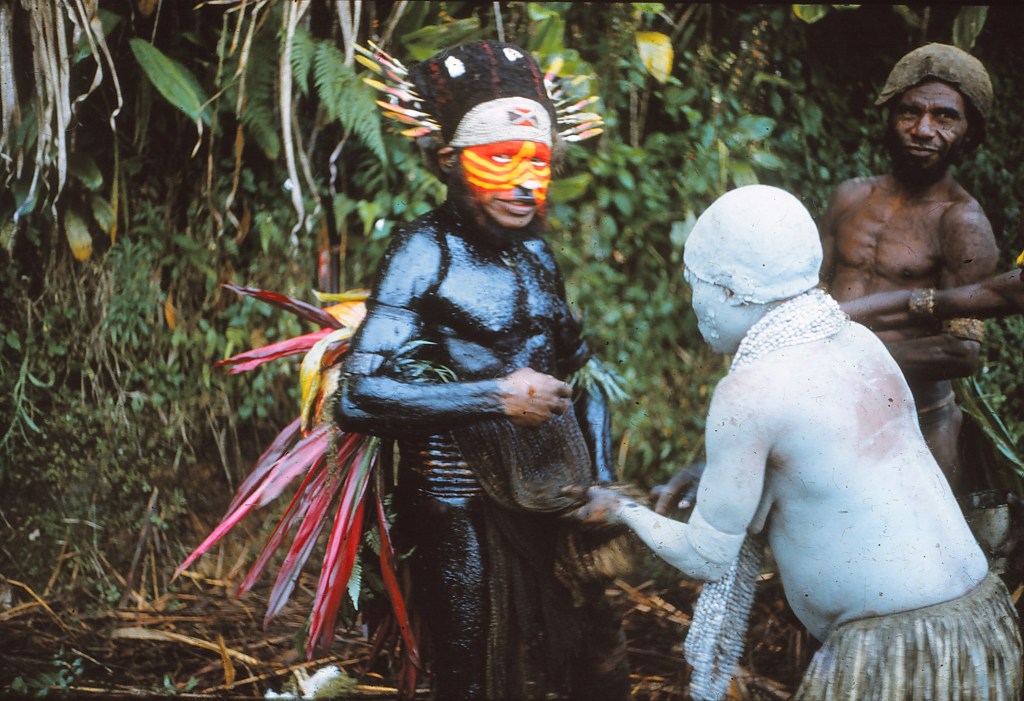
They were secure in their own identity. Everyone knew which clan groups belonged together, and which groups were traditional enemies. The people of the Highlands had their own belief system and understanding of the world, visible or invisible.


After that first sight of a plane and the first visit of the white patrol officers, those white men came back to Mendi bringing pearl shell and other gifts. Soon these visitors had made arrangements to buy some land in the valley floor in an area that was often used as fighting ground and not for food gardens. The Mendi people did not know what these intruders were doing when they offered payment in pearl shell, steel axes, beads and other things and then started digging a flat area. They were even more surprised when one day a small plane flew over and dropped bundles of cargo to the ground. They wondered what was happening. When that small flat area was long enough, one day a small plane circled overhead and then flew low and landed on this rough airstrip.
The Mendi people were curious about these visitors and were interested in the gifts that they brought. The Australian patrol officers were interested in the people of Mendi and other parts of the Southern Highlands. In 1952, an Australian District Officer wrote: ‘The people of the Highlands possess a fine physique, and are noted agriculturalists. In every way, they are vigorous, virile, fierce fighters, excitable, and most generous.’
‘The people of the Highlands possess a fine physique, and are noted agriculturalists. In every way, they are vigorous, virile, fierce fighters, excitable, and most generous.’
1952, Australian District Officer
Whether they liked it or not, the world of the Mendi people, and then the tribes in other parts of the Southern Highlands, was beginning to change forever.
Margaret Reeson 2023
 Margaret Reeson